Leading Tips for Developing an Impactful Web Site Design That Converts
To attain this, one have to take into consideration a range of variables, consisting of comprehending the target audience, prioritizing user experience, and maximizing for mobile platforms. The strategic usage of engaging call-to-actions and a well-defined aesthetic hierarchy plays a critical duty in assisting individuals through their journey.
Understand Your Target Market
Recognizing your target audience is basic to efficient site design, as it lays the foundation for developing an appealing individual experience. Identifying that your customers are, including their demographics, preferences, and actions, allows designers to customize the site's material, design, and capability to satisfy particular needs.
Conducting thorough marketing research is vital in this process. Studies, meetings, and analytics can provide beneficial understandings into individual expectations and discomfort points. By assembling this data, developers can develop individual characters that stand for different sections of the target market, guaranteeing that layout decisions are notified and appropriate.
In addition, recognizing the target audience aids in choosing ideal design aspects such as color design, typography, and imagery that resonate with customers. A website that speaks straight to its audience promotes a feeling of connection and count on, urging longer check outs and greater conversion rates.
Eventually, a user-centered approach to web site layout not only improves user complete satisfaction but likewise sustains business objectives by driving interaction and loyalty. By prioritizing the needs and choices of the target audience, a site can effectively offer its objective and accomplish desired results.
Prioritize User Experience
To boost the overall efficiency of a site, focusing on individual experience (UX) is vital (Website Design). A properly designed UX ensures that visitors can navigate the website easily, discover info rapidly, and engage with content meaningfully. This causes raised customer satisfaction and greater conversion prices
Begin by carrying out user-friendly navigating. Menus ought to be realistically structured, enabling individuals to find essential areas of the site with marginal initiative. Consistency in style aspects, such as color pattern and fonts, cultivates knowledge, which is important for maintaining user engagement.
Additionally, consider the filling rate of your website. A hold-up of simply a few seconds can bring about substantial drop-offs, as users are less most likely to await a slow-loading web page. Enhancing pictures and optimizing code can enhance performance and preserve site visitors.
Moreover, quality in material presentation is crucial. Use succinct, engaging language and separate message with visuals to enhance readability. By prioritizing customer experience, you not only create a much more delightful environment for site visitors yet likewise reinforce your brand's credibility. Inevitably, a focus on UX is an investment in the long-lasting success of your internet site.
Enhance for Mobile Tools
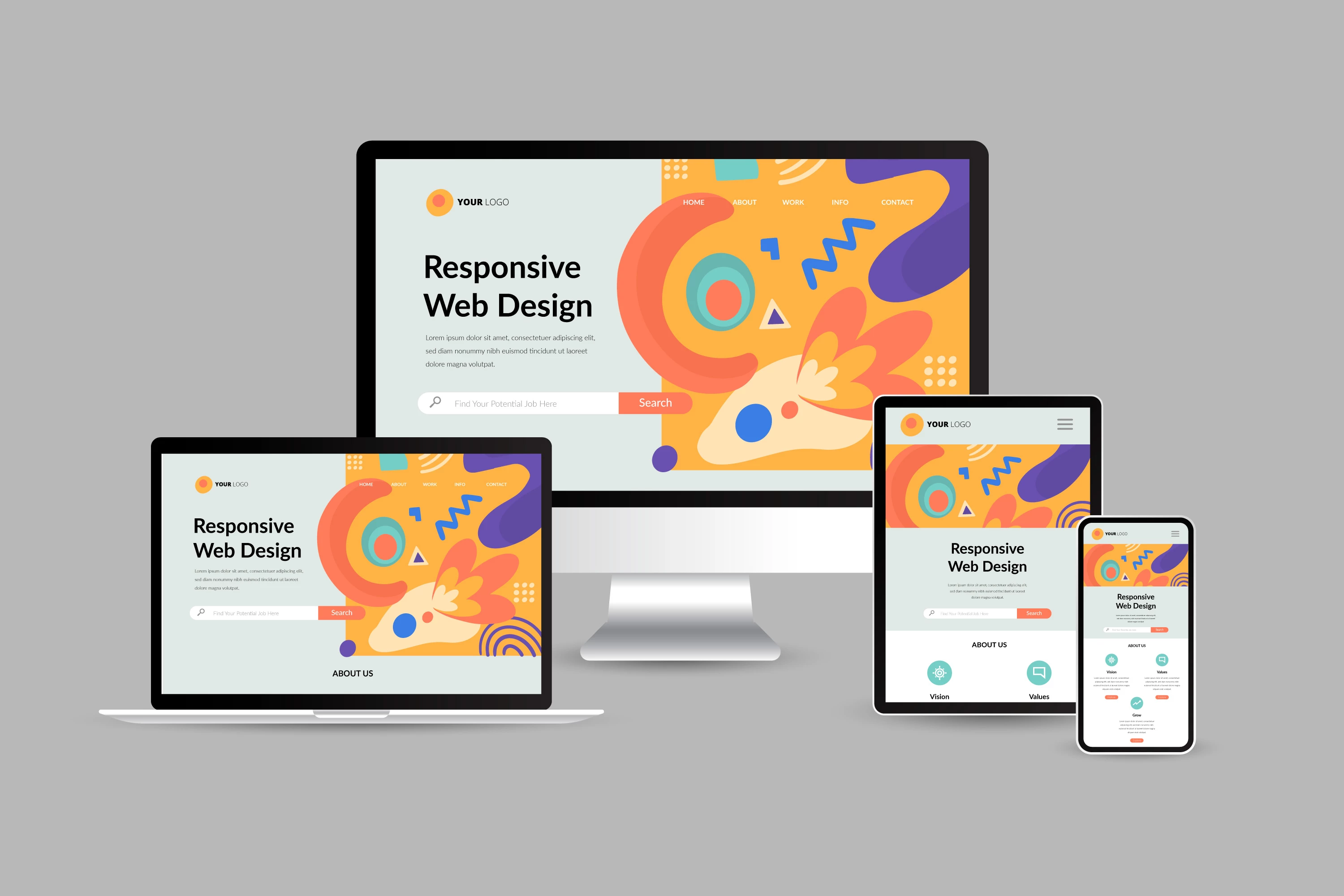
Enhancing for smart phones is crucial in today's digital landscape, where an enhancing variety of customers access sites through smart devices and tablets. A mobile-friendly style not just boosts individual experience but additionally plays a considerable role in enhancing search engine rankings. To accomplish this, it is necessary to take on a responsive design that automatically adapts to various screen sizes and positionings.
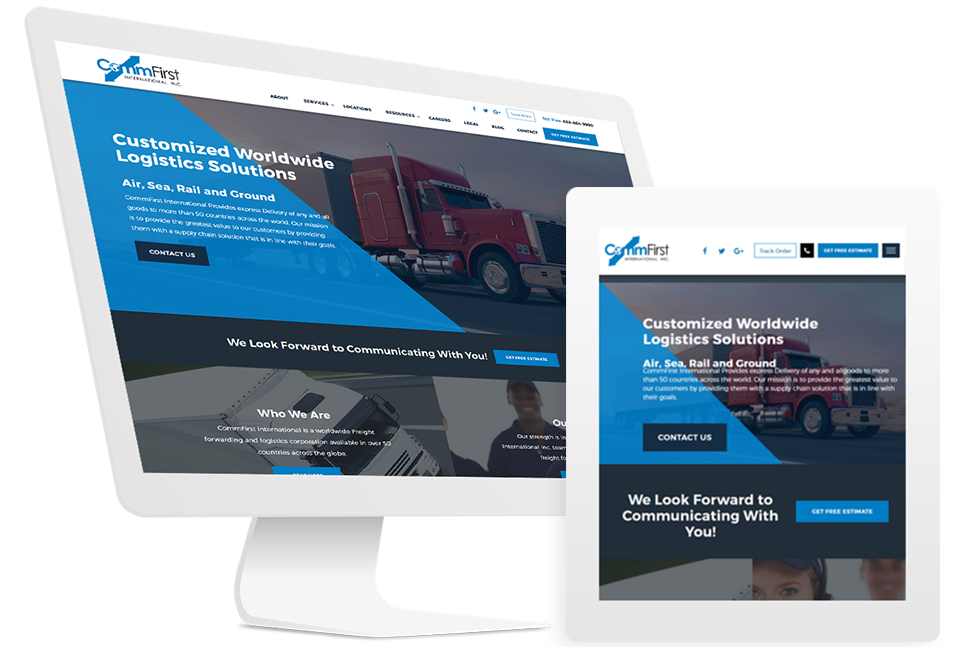
Packing speed is another critical variable; mobile individuals are generally less patient and expect fast accessibility to details. Maximize pictures and take advantage of browser caching to boost performance. Finally, blog here examination your site on several devices and screen resolutions to recognize and correct any possible functionality problems. By prioritizing mobile optimization, you ensure that your internet site continues to be competitive and effectively involves a more comprehensive audience.
Use Engaging Call-to-Actions
A site's efficiency often rests on its capability to guide visitors towards wanted activities, making engaging call-to-actions (CTAs) crucial components of style. CTAs act as the critical factors that route users to engage with the site, whether that implies making a purchase, signing up for an e-newsletter, or downloading a resource.
To produce reliable CTAs, clearness is vital. Usage succinct language that clearly connects the activity you want the user to take.
Furthermore, think about using directional signs, such as arrows or photos, to direct users towards these buttons. By go concentrating on these elements, services can significantly enhance user engagement, driving conversions and inevitably accomplishing their site's objectives.
Emphasis on Visual Hierarchy
Reliable web site style counts greatly on a well-structured aesthetic hierarchy that guides customers via material seamlessly. By arranging aspects in a way that focuses on info, designers can improve user experience and assist in decision-making. This involves using dimension, color, comparison, and spacing strategically to accentuate one of the most crucial parts of a website.
The usage of bigger fonts for headings and subheadings develops a clear distinction in between different areas, enabling users to check material effortlessly. In addition, employing different colors for switches and calls-to-action can capture individual attention and encourage interaction. Whitespace is one more essential element; it protects against clutter and allows customers to concentrate on vital messages without distractions.
Photos and graphics must enhance the text while likewise adhering to the well established power structure, reinforcing the general message (Website Design). Uniformity in style elements, such as color these details design and typography, additional enhances the aesthetic power structure, making navigation instinctive
Conclusion
In final thought, efficient web site layout requires a detailed understanding of the target audience, prioritization of individual experience, and mobile optimization. Ultimately, a well-executed site style offers as an important part in driving customer activities and achieving business purposes.